Watercolor Floral Illustrations Rosehip: A Comprehensive Evaluation
The visual language of nature has long been a cornerstone in graphic design, textile arts, and packaging. Among the various botanical motifs available to creators, floral watercolor illustrations offer a unique blend of organic texture and artistic softness. Watercolor Floral Illustrations Rosehip represents a specific collection designed to meet the diverse needs of designers seeking authentic, hand-painted aesthetics for commercial and personal projects. This evaluation explores the utility, technical specifications, and ideal use cases for this asset pack, helping professionals determine if it aligns with their current workflow.
Understanding the Collection
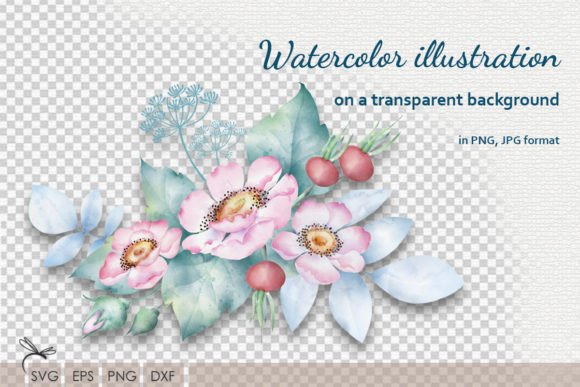
At its core, Watercolor Floral Illustrations Rosehip is a digital asset library focused on the aesthetic of rosehips and complementary floral elements rendered in a watercolor style. Unlike vector graphics or rigid clip art, watercolor illustrations capture the fluidity of pigment, the variation in opacity, and the subtle bleeding of colors that characterize traditional painting. The collection includes ready-made compositions featuring these botanical subjects set against transparent backgrounds. This specific focus allows the imagery to integrate seamlessly into various layouts without requiring complex background removal by the user.
The inclusion of both PNG and JPEG formats within the archive addresses different stages of the design process. The PNG files, characterized by their transparency, are essential for layering designs over colored papers, textures, or other graphical elements. Meanwhile, the JPEG file provides a high-quality raster representation suitable for direct viewing or printing where transparency is not required. This dual-format approach ensures versatility across different software environments and output requirements.
Key Applications and Design Scenarios
The primary value of this illustration set lies in its adaptability across multiple industries. Designers often struggle to find cohesive assets that bridge the gap between digital screens and physical products. Watercolor Floral Illustrations Rosehip serves as a versatile solution for several distinct categories:
- Greeting Cards: The soft, romantic nature of watercolor roses and rosehips makes them ideal for wedding invitations, birthday cards, and holiday greetings. The transparent background allows for easy integration with typography and paper textures.
- Business Cards: For brands in the wellness, beauty, or artisanal sectors, these illustrations can elevate a business card from standard corporate design to something memorable and tactile.
- Packaging: Eco-friendly and organic product packaging often relies on botanical imagery to convey natural ingredients. These illustrations provide a premium look that suggests quality and care.
- Textiles and Fabrics: The repeating patterns created by these floral motifs are well-suited for fabric printing, wrapping paper, and home decor items.
- Tableware and Decor: Ceramics, napkins, and holiday decorations benefit from the delicate lines and color gradients found in watercolor art.
Benefits of Using Watercolor Assets
Selecting a pre-made composition like Watercolor Floral Illustrations Rosehip offers significant advantages over creating original artwork from scratch or sourcing generic stock photos. The most immediate benefit is time efficiency. Professional illustrators spend hours mastering the technique of watercolor; purchasing a finished set allows designers to focus on layout, typography, and overall brand strategy rather than the execution of the drawing itself.
Furthermore, the artistic quality provided by a dedicated creator ensures a level of coherence that might be difficult to achieve when mixing and matching disparate stock images. The compositions are "ready-made," meaning the balance of elements, color harmony, and negative space have already been considered. This reduces the cognitive load on the designer, allowing for faster iteration and prototyping.
Technical Considerations and File Formats
When evaluating digital assets, file format is a critical decision point. The inclusion of PNG files with transparent backgrounds is particularly valuable for modern design workflows. Transparency eliminates the need for manual masking, ensuring that the edges of the flowers and leaves remain crisp regardless of the background color they are placed upon. This is especially important for print-on-demand services where white borders around an image can ruin the final product.
However, users must consider the resolution of the raster images. While the JPEG and PNG files are described as high quality, watercolor illustrations are inherently pixel-based. If the project requires large-scale printing (such as billboards or large banners), the images may need to be upscaled, which can result in a loss of detail. For standard applications like cards, brochures, and web graphics, the resolution provided in such archives is typically sufficient.
Tradeoffs and Limitations
While the convenience of this asset pack is clear, there are tradeoffs to consider. The primary limitation is the lack of editability regarding the individual strokes. Unlike vector files (SVG or AI), which allow a designer to change the color of a specific petal or adjust the shape of a leaf, watercolor rasters are fixed. Once the composition is downloaded, the internal details cannot be altered without using advanced photo editing techniques, which may degrade the image quality.
Additionally, because the illustrations are based on a specific theme (rosehips and florals), they may not suit every brand identity. Brands with a strictly geometric, industrial, or minimalist aesthetic might find the organic, flowing nature of watercolor too ornate. In such cases, the artistic style could clash with the desired brand voice.
Alternatives and Decision Making
For designers who require full control over the geometry of their graphics, vector-based floral illustrations might be a better alternative. Vectors scale infinitely without quality loss and allow for complete color customization. However, vectors often lack the textural depth and organic imperfections that define true watercolor art. If the goal is to achieve a "hand-painted" feel, the raster format of Watercolor Floral Illustrations Rosehip is superior.
Another alternative is commissioning custom artwork. While this offers the highest level of uniqueness and alignment with specific brand guidelines, it comes with higher costs and longer lead times. For projects with tight deadlines or limited budgets, a pre-made collection offers a cost-effective middle ground.
Determining Fit for Your Project
To decide if Watercolor Floral Illustrations Rosehip is the right choice, consider the following factors:
- Project Medium: Is the final output primarily print or digital? The high-resolution PNGs are excellent for both, but ensure your printer supports the file size.
- Brand Aesthetic: Does your brand value tradition, nature, and softness? If yes, this style fits perfectly. If your brand is modern and stark, reconsider.
- Modification Needs: Do you need to change the colors of the flowers to match a specific Pantone code? If so, you will need to apply filters or recolor the entire image, which is less precise than working with vectors.
- Budget and Timeline: If you need high-quality assets immediately without hiring an illustrator, this package is a strong candidate.
In conclusion, Watercolor Floral Illustrations Rosehip is a practical resource for designers looking to incorporate organic, hand-painted aesthetics into their work. Its strength lies in the variety of applications it supports, from greeting cards to textiles, and the convenience of its transparent PNG format. By understanding the limitations regarding editability and scaling, and weighing them against the benefits of time savings and artistic quality, designers can make an informed decision about integrating these assets into their creative toolkit.
If questions arise regarding specific usage rights or technical compatibility, reaching out to the creator is recommended. Open communication ensures that the final product meets all professional standards and expectations.